Scope 3 Emissions Are 80% of Your Footprint and the Hardest to Measure
For most companies, Scope 3 emissions dwarf everything else. Here is why they are so hard to quantify and what actually works when you have incomplete supplier data.

The SEC Climate Disclosure Rule: What CFOs Need to Know Now
The SEC's climate disclosure rule is partially stayed but not dead. CFOs need to understand what is required, what timelines look like, and why waiting is the wrong strategy.
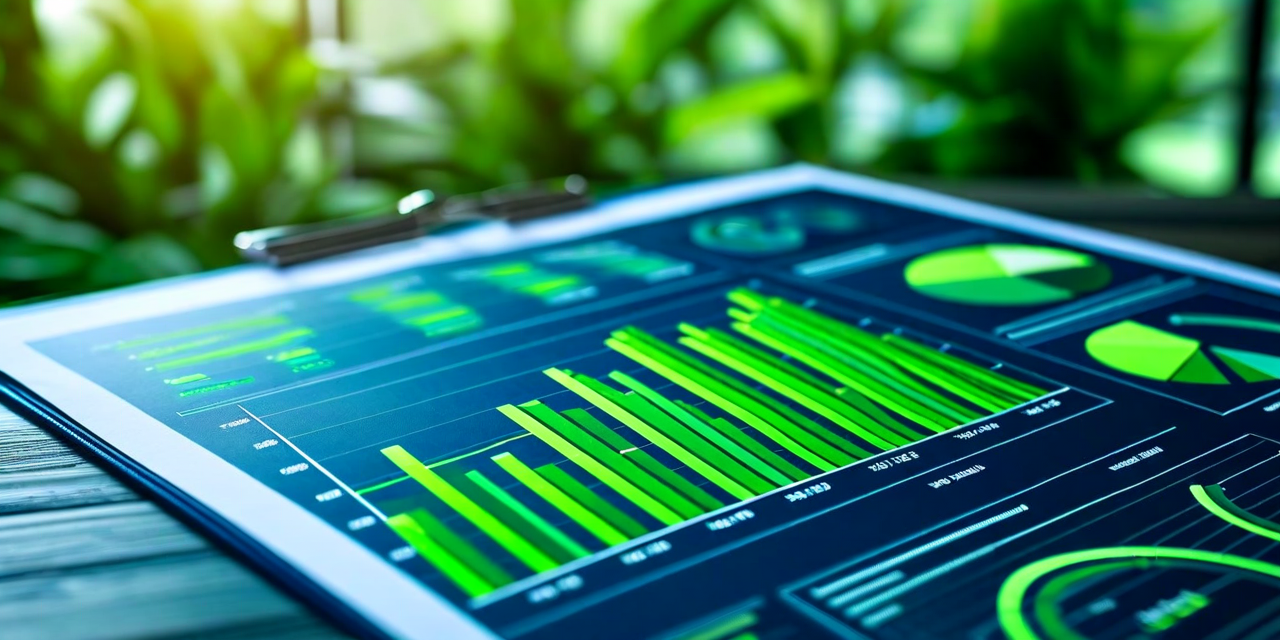
Carbon Accounting Software vs Spreadsheets: An Honest Comparison
Spreadsheets get carbon programs started. They also break down at exactly the wrong moment. Here is an honest look at when software is worth it and when it is not.
How a Mid-Market Manufacturer Cut Emissions 31% Without Cutting Production
A specialty manufacturer reduced verified emissions by 31% over three years while growing output 18%. Here is what they actually did, and what surprised them along the way.

The Problem With Carbon Offsets Nobody Wants to Discuss
Carbon offsets are not all fraudulent, but the market has serious structural problems. Here is what good offsets look like and what questions you should be asking before you buy.

CSRD Compliance for US Companies With European Operations
If NetZero Trail has EU subsidiaries or significant EU revenue, CSRD may already apply to you. Here is what US companies need to understand about scope, timelines, and double materiality.

Building a Decarbonization Roadmap That Survives Board Scrutiny
Most decarbonization roadmaps fail not because the science is wrong but because they cannot answer the questions boards actually ask. Here is how to build one that holds up.

Why Your Sustainability Report Is Not Convincing Investors
Most corporate sustainability reports are well-intentioned and unconvincing. Here is what institutional investors are actually looking for and why the standard format falls short.

Supply Chain Emissions Tracking: Starting When Data Is Incomplete
Waiting for perfect supplier data before starting Scope 3 tracking is a trap. Here is a practical approach to building supply chain emissions visibility from a standing start.
The Green Premium Myth: When Reducing Emissions Saves Money
The assumption that sustainability always costs more is increasingly out of date. Here is where the financial case for emissions reduction is real and where it is not.